Last Updated: November 4, 2026
Quick Summary
Cassia Bay is a new construction community where buyers can choose from homes built for the first time, not yet lived in. To buy one well, compare floor plans against written specifications, get an itemized estimate beyond the base price, and total every monthly fee, including any CDD assessment.
- Compare marketing renderings with written specs, since renderings may show upgrades not in the base contract.
- Ask what the advertised base price excludes, such as lot premiums, elevation changes and site conditions.
- Request the association budget and reserve study, and check whether reserves are funded at the recommended level.
- Ask for any CDD or special assessment on the property tax bill, since it can exceed the HOA fee.
- Schedule independent inspections at framing, rough-in and final stages, because defects can hide behind finished walls.
Table of Contents
- What Cassia Bay Is and Who It Suits
- Cassia Bay Floor Plans and Home Designs
- Pricing, Availability and Base Price Versus Final Cost
- Community Amenities, Gated Access and HOA Fees
- Punta Gorda Real Estate Market Trends and Future Outlook
- Buying New Construction Homes in Punta Gorda, FL: Checklist for Buyers
- Reviewing Your Contract and Specs Before Booking Your Cassia Bay Tour
- Frequently Asked Questions
Buying a new construction home is one of the largest financial decisions most people make, and the process at a community like Cassia Bay has its own rules. New Home Hub SWFL provides consulting services to help buyers compare builders, floor plans and total costs before they sign anything. Our goal in this guide is to show you what to check, what to ask and where the advertised price can differ from what you actually pay at closing.
New construction, in the simplest sense, is a home that has been built for the first time and not yet lived in. At a planned community, the builder usually sells lots, finished homes and sometimes homes still under construction, all within a master-planned residential neighborhood. The key question for any buyer is whether the home, its specifications and its total cost match the story the marketing tells.
What Cassia Bay Is and Who It Suits
Cassia Bay is a new construction community that buyers often evaluate alongside other new home options in the area. Before committing, decide whether the community's lifestyle, lot availability and monthly costs fit your plans. Some buyers want a gated, amenity-rich neighborhood. Others care most about a shorter commute or lower ongoing fees.
: first-time purchasers who need help understanding the process, relocators from out of state who need local context, and investors who want independent comparisons. Each group asks different questions, so start by identifying which one describes you.
Cassia Bay Floor Plans and Home Designs
Floor plans shape daily life more than finishes do. Before you tour a model, count the bedrooms and bathrooms you need, then check the square footage of each room against your furniture. Ask whether the plan you like is available on the lot you want, since orientation and setbacks can change how a layout lives.
Compare the builder's marketing renderings with the written specifications. A rendering may show upgraded fixtures, extra windows or a finished patio that are not included in the base contract. Ask for a list of standard features and a list of options, and keep both.
Pricing, Availability and Base Price Versus Final Cost
The advertised base price is a starting point, not the final number. Lot premiums, elevation changes, structural upgrades and site conditions can all raise the total. Ask the builder which assumptions the advertised figure includes, and request a written estimate that shows every line item. Learn why a base price can differ from your total before you compare offers.
A price reduction and a closing cost credit are not the same thing. A reduction lowers the purchase price itself, while a credit can offset eligible upfront charges at closing. You can see how each option affects financing and cash needed at closing before negotiating. The two affect financing, appraisal and the cash you need on closing day differently, so compare them in dollar terms before you negotiate.
Community Amenities, Gated Access and HOA Fees
Amenities and gated access are the most visible part of a community's marketing, and the least transparent part of its cost structure. Most listing pages show a pool, a clubhouse and a gate, then stop. The recurring cost behind those features is where buyers get surprised, so treat the association budget as a document to audit, not a line to skim.
Start by separating the fee into its components. A typical association budget has four buckets: operating expenses (landscaping, pool service, common-area utilities, management), reserve contributions (money set aside for future roof, road, or amenity replacement), insurance on common property, and any master-association layer if the community sits inside a larger planned development. Ask the sales office for the current budget and the reserve study, and check whether the reserve line is funded at the level the study recommends.
Then ask about assessments outside the regular fee. In many planned communities, a community development district (CDD) or municipal service taxing unit levies a separate annual assessment that appears on the property tax bill, not on the HOA coupon. That assessment can run for decades and is often pledged to bonds issued to build roads, utilities and amenities.
Gated access adds its own line items. Ask who maintains the gate and access system, whether the association carries liability insurance for it, and whether guest and vendor access is managed by a staffed guard, a call box or an app. A staffed gate is a meaningful recurring cost; an unstaffed gate shifts the burden to residents and vendors.
Watch out: a low monthly fee quoted at a sales office may exclude the CDD assessment, the master-association fee, or both. Ask for the total monthly obligation in writing, itemized by payer and due date, before you compare two homes on price.
When you compare communities, build a simple monthly cost column: HOA fee, master-association fee, CDD or special assessment, and any optional amenity or club fee. Add them, then compare. The guide on comparing two homes with different association fees walks through what each fee covers and how to weigh them.
The recurring costs behind a community's amenities and gate are easy to miss, so the main components of the fee are summarised below.
| Fee component | What it covers | Why it matters |
|---|---|---|
| Operating expenses | Landscaping, pool service, common-area utilities, management | Routine monthly costs of running the community |
| Reserve contributions | Future roof, road or amenity replacement | An underfunded reserve often leads to special assessments |
| Insurance on common property | Common-area coverage | Part of the regular association budget |
| Master-association layer | Costs of a larger planned development | May add to the monthly total |
| CDD or special assessment | Bonds for roads, utilities and amenities | Often billed on the property tax bill, not the HOA coupon |
| Gated access | Gate maintenance and staffing | A staffed gate is a meaningful recurring cost |
Punta Gorda Real Estate Market Trends and Future Outlook
Market conditions change quickly, so the useful question is how a community compares to the alternatives a buyer would actually consider. Build a comparison set of three to five nearby new-construction or recently built communities and track the same variables for each: base price per square foot, lot premium range, average days on market for resales, HOA plus CDD total, and current incentive structure. That side-by-side is the comparative analysis most listing pages never publish, and it is the fastest way to see whether a community is priced at, above or below its peer set.
For the trend itself, pull current data rather than relying on a sales office summary. County property appraiser records show recent sale prices and assessed values; the local Realtor association publishes monthly inventory and median-price reports; and the Census Bureau's building permit data shows how much new supply is in the pipeline. Compare months of inventory (active listings divided by monthly closings) across the peer set. A market with several months of inventory gives buyers more negotiating room on lot premiums and upgrades than a market with a few weeks.
Future outlook is where the community's own site plan matters most. Ask the builder for the recorded plat and the phasing schedule, then identify which phases are sold, which are under construction and which are unstarted. Unstarted phases mean years of construction traffic, dust and changing sightlines near your lot. Also ask what infrastructure is planned: road widenings, utility extensions, new schools or commercial parcels. A planned commercial parcel at the entrance can add convenience or add traffic, and the plat usually shows which one is coming.
Watch out: a builder's "sold out" claim for a phase does not mean the surrounding area is finished. Confirm the status of adjacent phases and any off-site development with the county planning department before you assume your view and access are permanent. Our page on what to ask when community roads are still under construction covers access, phasing and maintenance questions.
Finally, treat incentives as part of the market picture. Builder incentives (rate buydowns, closing-cost credits, upgrade allowances) tend to expand when inventory is slow and contract when it is tight. Comparing the incentive across your peer set tells you as much about current conditions as any headline price change.
Buying New Construction Homes in Punta Gorda, FL: Checklist for Buyers
Use this checklist as you move through the process:
- Confirm which home type you want: ready-now or to-be-built
- Get a written estimate that lists the base price, lot premium, upgrades and closing costs
- Ask whether the advertised price excludes lot, elevation or site conditions
- Compare the cost and coverage of each HOA or association fee
- Verify financing options, insurance requirements and utility setup
- Schedule independent inspections at key construction stages
- Review warranty terms and the process for submitting repair requests
- Walk through the completed home before closing and note any deficiencies in writing
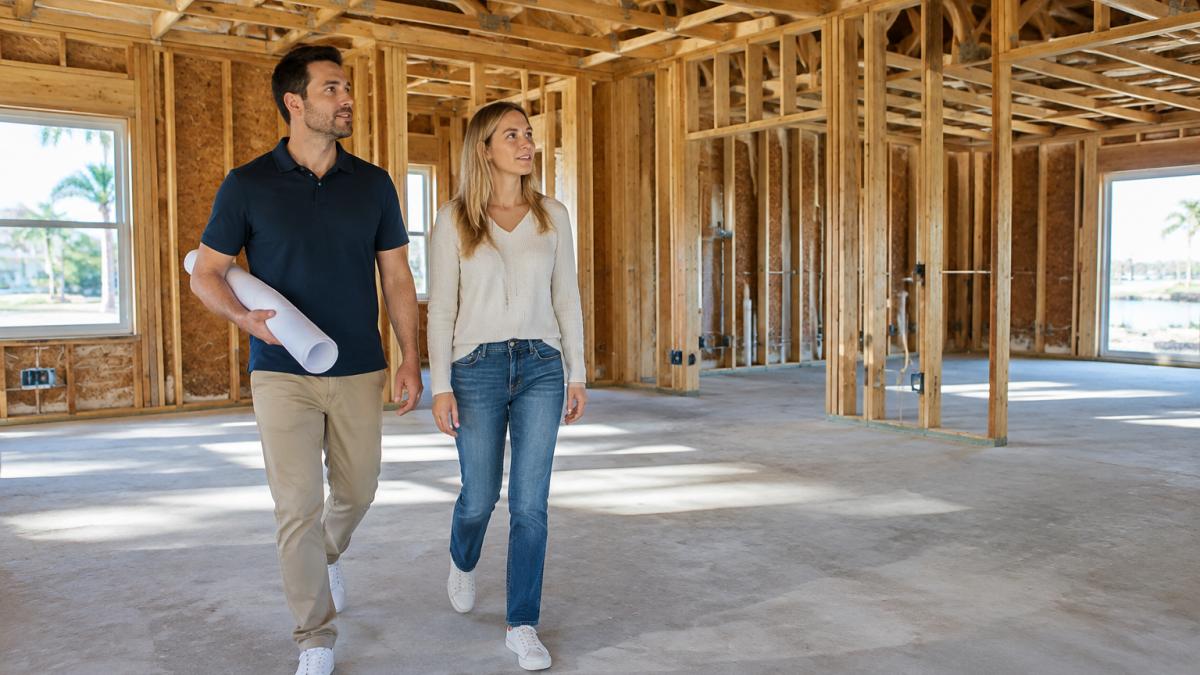
Independent inspections are especially important with new construction, because defects can be hidden behind finished walls. Many buyers benefit from having a third party review the work at framing, rough-in and final stages.
Reviewing Your Contract and Specs Before Booking Your Cassia Bay Tour
Before you book a tour or sign anything, read the purchase contract and specification sheet closely. Check that the finishes, appliances and structural features described in the contract match the model you toured. Note any language that allows the builder to change materials or pricing, and ask for those terms to be clarified in writing.
Watch out: verbal promises made by a sales representative are rarely enforceable. If a feature matters to your decision, have it written into the contract or specifications before you commit.
Ready to start comparing your options? Explore your options with New Home Hub SWFL, where our team can help you review specifications, understand total costs and prepare questions before you visit Cassia Bay.
Frequently Asked Questions
What type of homes are available in Cassia Bay?
Cassia Bay is a new construction community in Punta Gorda, FL, where homes are built by the community's primary builder. Floor plans vary in bedroom count, bathroom count and square footage, so buyers should compare each plan's written specifications rather than relying on marketing photos. Ask for the base price, the lot premium, and a list of included upgrades before comparing one floor plan against another. Availability changes as homes sell, so confirm current inventory directly with New Home Hub SWFL or the builder.
Who is the primary builder for the Cassia Bay community?
The primary builder for Cassia Bay should be confirmed directly from the current sales materials and the community's disclosure documents, since builder roles can change over the life of a development. Once you know the builder, review its contract terms, warranty coverage and closing timeline. New Home Hub SWFL can help you compare that builder's specifications with those offered by other builders in Southwest Florida before you commit.
What amenities are included for residents of Cassia Bay?
Amenities in a gated new construction community are typically described in the homeowner association documents and the builder's community brochure. Ask for a written list of what is included in the HOA fee and what carries an extra charge, such as clubhouse use, pools or fitness areas. Confirm completion dates for any amenities still under construction. Keep a copy of the list with your purchase file so you can verify the features when you take possession.
Are there move-in ready homes currently available in Cassia Bay?
Move-in ready homes, meaning completed homes ready for near-term closing, appear and disappear as sales progress. Ask the builder or sales office for current inventory and the expected closing date of each available home. Compare a completed home's specifications against a home still in construction, and check that the completed home has passed final inspections and has a documented warranty start date. Pricing depends on the home, lot and selected options, so request a written quote.
